The Two Birds on the Branch of Consciousness
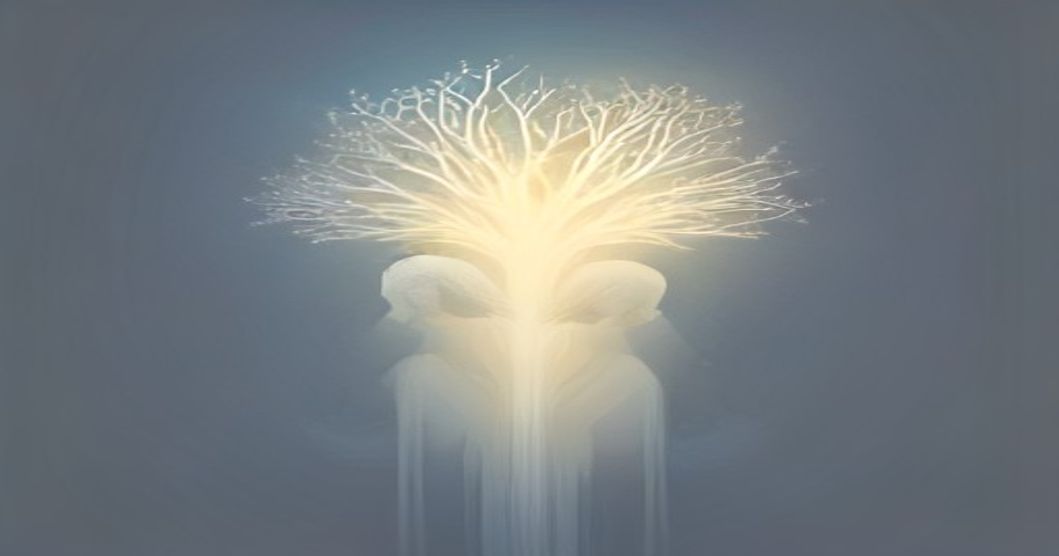

The Parable of the Tree
High in the branches of a grand, ancient tree perch two birds. They are inseparable companions, possessing the same brilliant plumage and bound to the same trunk. Yet, their lives couldn’t be more different.
The first bird sits on a lower branch, restless and consumed by motion. It flies from twig to twig, pecking eagerly at the tree’s fruit. When it tastes a sweet berry, it chirps with delight and searches feverishly for another. When it bites into a bitter fruit, its head droops in disappointment and distress. Caught in a perpetual cycle of craving, consumption, and regret, the lower bird is entirely at the mercy of whatever flavor the tree offers next.
Just above it sits the second bird. Positioned on a higher branch, this bird does not eat. It does not search for fruit, nor does it react when the wind shakes the leaves. Majestic and quiet, it simply watches. It beholds the lower bird’s restless drama with absolute serenity and complete detachment.
This allegorical image, found in the Mundaka Upanishad and Svetasvatara Upanishad, is one of the ancient world’s most profound depictions of the human mind.
The Anatomy of Self: Ego versus Witness
In Vedantic philosophy, the tree represents the physical realm—the arena of human life, time, and circumstance. The two birds represent the dual aspects of our own awareness:
- The Lower Bird (Jiva): This is the egoic self, the personality conditioned by experience. It is the part of us that engages directly with the world, constantly evaluating events as sweet (desirable) or bitter (undesirable). The lower bird is caught in emotional reactivity—elated by success, shattered by failure, anxious about what the next branch might hold.
- The Higher Bird (Atman): This is the pure, observing consciousness—the Witness (Sakshi). It resides within us simultaneously, yet it remains untouched by the experiences of the lower bird. It does not judge, crave, or grieve; it merely observes the unfoldment of experience.
The tragedy of human suffering, according to the Upanishads, is not that we must taste bitter fruit, but that we forget the presence of the higher bird. We identify so intensely with the eater of the fruit that we believe our entire identity is tied to the turbulence of the lower branch.
Bridging to Modern Life: Reclaiming the Higher Branch
Modern existence is engineered to keep us firmly anchored to the lower branch. Every push notification, market fluctuation, social media reaction, and personal setback acts as a piece of fruit. We compulsively consume these sensory inputs, oscillating rapidly between the sweet highs of validation and the bitter lows of anxiety and outrage.
When you feel overwhelmed by the volatility of modern life, you are experiencing the exhaustion of the lower bird. The solution is not to destroy the lower bird—after all, living requires action and engagement—but to shift your primary locus of identity to the higher one.
Here is how to cultivate the perspective of the Witness Consciousness in daily life:
1. Practice the Art of ‘Noticing’
When a wave of anger, fear, or frustration arises, pause and mentally reframe your language. Instead of saying “I am angry,” say “I notice anger arising in the mind.” This subtle linguistic shift instantly separates the lower bird (the emotional experience) from the higher bird (the awareness observing the emotion).
2. Create Space Between Stimulus and Reaction
The lower bird reacts instantly to the taste of the fruit. The higher bird introduces a space of awareness. Before responding to an aggravating email or a difficult situation, take a slow breath and step back mentally onto the higher branch. Ask yourself: “Is this circumstance permanent, or is it merely a bitter fruit that will pass?”
3. Remember Your Untouched Core
No matter how chaotic the storm around the tree becomes, the space in which the higher bird sits remains undisturbed. Your underlying awareness—the entity reading these words right now—is identical to the awareness you possessed as a child. Thoughts, body states, and emotions change, but the observing presence remains constant.
To live wisely is to participate in the world without being consumed by it. You may continue to taste the fruits of life, but by remembering the serene bird above, you realize that your true nature was never defined by the flavor of the fruit—only by the quiet brilliance of the witness within.
