The Chariot of Consciousness: Navigating the Chaos of Modern Desires
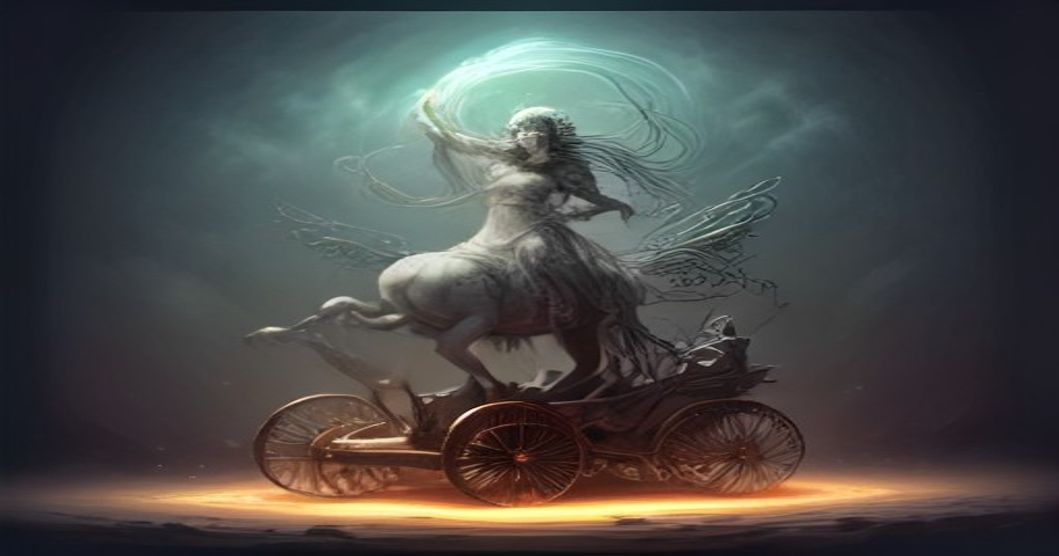

In the ancient dialogue of the Katha Upanishad, the young seeker Nachiketa stands before Yama, the personification of Death and ultimate wisdom. Nachiketa does not ask for riches, kingdoms, or longevity; he asks to understand the nature of the self and the journey of human existence. In response, Yama reveals one of the most profound metaphors for self-mastery in world literature: the Allegory of the Chariot.
The Anatomy of the Inner Vehicle
Yama asks Nachiketa to picture the human individual not as a static entity, but as a dynamic chariot moving through the world:
- The Chariot is the physical body—the vessel that carries us across the terrain of life.
- The Passenger resting within is the Atman, the true Self or pure awareness.
- The Charioteer is the Buddhi, the higher intellect and capacity for discernment.
- The Reins represent the Manas, the reactive mind and emotional faculties.
- The Horses are the Indriyas, the senses and desires that propel the vehicle.
- The Roads are the sense objects—everything in the world that can be seen, tasted, touched, heard, or craved.
Yama explains that when a driver lacks wisdom and holds the reins loosely, the senses behave like wild, vicious horses. Caught in a perpetual state of impulse, they pull the chariot wherever temptation lies, rattling the vessel and driving it toward disaster. But when the charioteer is alert and disciplined, holding firm reins over the horses, the chariot glides smoothly toward its true destination.
The Modern Hijack of the Senses
Centuries after the Katha Upanishad was composed, human psychology remains largely unchanged, but the terrain has become exponentially more treacherous. Today, our “horses” are bombarded by thousands of algorithms engineered specifically to hijack their attention.
Every notification, endless scroll, clickbait headline, and manufactured urgency is a flashy path enticing our sensory horses to bolt. When we live on autopilot, our higher intellect (Buddhi) falls asleep at the wheel. The reactive mind (Manas) drops the reins, and our senses drag our bodies into exhaustion, anxiety, and fragmented focus. We end up moving at breakneck speed, yet going nowhere meaningful.
Reclaiming the Driver’s Seat
The wisdom of the Chariot Allegory offers a clear blueprint for regaining inner sovereignty in a distracted age:
- Awaken the Charioteer (Discernment): Before reacting to impulses, pause. Ask yourself: Is this choice serving my deeper purpose, or is it merely an impulsive reflex? Strengthening your intellect requires regular contemplation and conscious decision-making.
- Tighten the Reins (Mindfulness): The mind must bridge the intellect and the senses. Through breathwork, meditation, and single-tasking, we learn to gently but firmly rein in wandering thoughts before they turn into disruptive actions.
- Guide the Horses with Care (Sensory Stewardship): The senses are not enemies to be destroyed; without horses, the chariot cannot move. The goal is training, not starvation. Expose your senses to beauty, silence, nourishing food, and meaningful work rather than mindless digital junk food.
Ultimately, the journey is not about arriving at a geographic location, but about recognizing the serene passenger within. When your intellect governs your mind and your mind directs your senses, the chariot of your life ceases to be a vessel of turbulence and becomes an instrument of profound peace and purpose.
