The Mirror of the Enchanted Lake: Yudhisthira’s Wisdom on the Paradox of Mortality
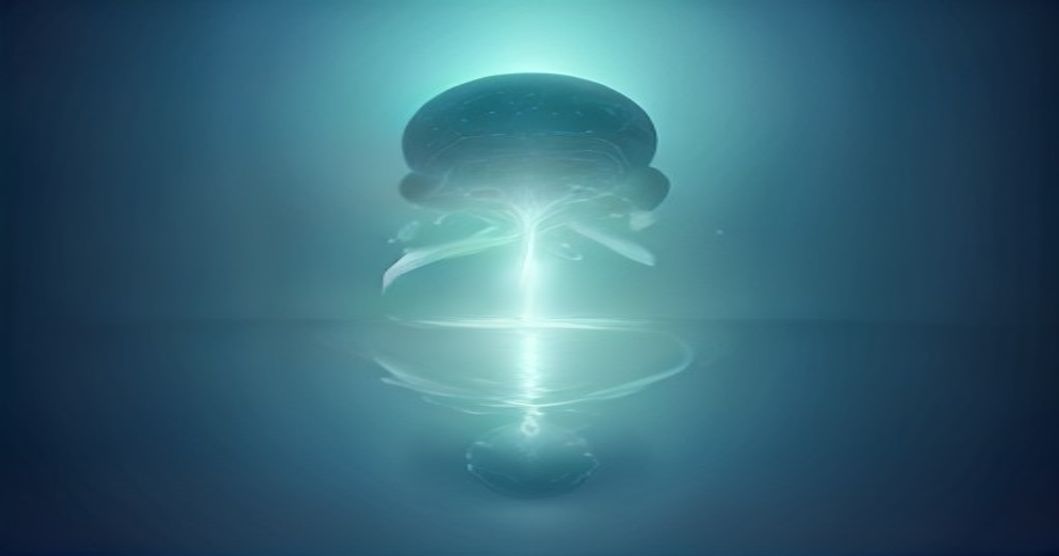
In the depths of the Mahabharata, the great Indian epic, there is a moment of profound stillness amidst a journey of exile. The Pandava brothers, parched with thirst, come upon a shimmering lake. One by one, four of the brothers attempt to drink from its waters, ignoring a mysterious voice that warns them to answer its questions first. They fall dead upon the shore. Finally, the eldest brother, Yudhisthira, the embodiment of Dharma (righteousness), approaches.
The voice belongs to a Yaksha—a powerful nature spirit. Unlike his brothers, Yudhisthira stops and agrees to the trial. What follows is a rapid-fire exchange of philosophical riddles known as the Yaksha Prashna. The spirit asks about the nature of the sun, the definition of courage, and the path to heaven. But the climax of the dialogue arrives with a single, piercing question: “What is the greatest wonder in the world?”
Yudhisthira’s response is as haunting today as it was thousands of years ago: “Day after day, countless creatures pass into the abode of Death. Yet, those who remain behind believe themselves to be immortal. What can be more wonderful than this?”
This “wonder” is not a miracle; it is a profound psychological irony. We witness the transience of life in every falling leaf, every news report, and every passing generation. Yet, we operate under a functional delusion of permanence. We postpone our kindness, hoard our grievances, and labor for a future we assume is guaranteed. We live as if we have an infinite supply of “tomorrow.”
The Modern Reflection
In our contemporary world, this ancient observation is more relevant than ever. We live in a “death-denying” culture. We use filters to mask aging, outsource the care of the dying to sterile institutions, and distract ourselves with the infinite scroll of digital life. By pushing the reality of our end to the periphery, we inadvertently drain the flavor from our present.
The Yaksha’s lesson is not a call to morbidity, but a call to clarity. When we acknowledge the “greatest wonder”—the fragility of our stay here—the trivialities that usually consume our energy begin to dissolve. The grudge against a colleague, the anxiety over a minor social slight, or the obsession with status becomes absurd in the light of the inevitable sunset.
To live with the awareness of Yudhisthira’s answer is to practice what the Stoics called Memento Mori (Remember you must die). It turns every cup of coffee, every difficult conversation, and every quiet morning into a rare event. By accepting that we are guests rather than owners of this time, we move from a state of mindless accumulation to one of mindful presence. The greatest wonder is not that we die, but that knowing we will, we have the opportunity to live with such extraordinary depth.
