The King and the Sun-Bather: Diogenes on the Freedom of Enough
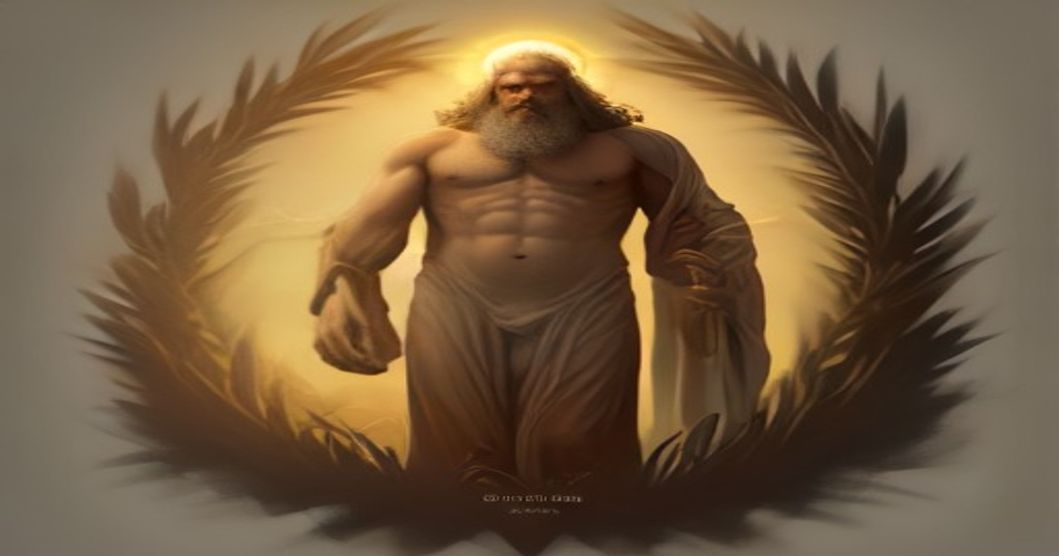

In the dust of ancient Corinth, the man who had conquered the known world came face-to-face with the man who had conquered himself. Alexander the Great, surrounded by his generals and the weight of his empire, sought out Diogenes the Cynic, a philosopher who lived in a large ceramic tub and owned nothing but a tattered cloak and a wooden staff.
Standing before the seated philosopher, Alexander was struck by the man’s indifference to his royal presence. Eager to show his magnanimity, the conqueror asked: “Is there anything I can do for you? Ask of me any favor, and it shall be granted.”
Diogenes, squinting up at the king, replied with a single request: “Yes. Stand out of my sunlight.”
To the onlookers, this was an insult of the highest order. But Alexander, moved by a clarity he had never encountered in his court, silenced his soldiers and remarked: “If I were not Alexander, I should wish to be Diogenes.”
The Philosophy of Autarkeia
This encounter illustrates the Greek concept of Autarkeia, or self-sufficiency. Diogenes belonged to the Cynic school, which taught that virtue is the only good and that true freedom is found in the liberation from social conventions and material desires. While Alexander’s power was dependent on lands, armies, and the fickle winds of politics, Diogenes’s power was internal.
By asking the King to move, Diogenes was pointing out a profound metaphysical truth: The most powerful man in the world was currently an obstacle to the simplest and most essential of joys—the warmth of the sun. Diogenes possessed the “Freedom of Enough.” Because he wanted nothing, he was the only man Alexander could not buy, threaten, or influence.
Reclaiming Our Sunlight
In the modern age, we are often more like Alexander than we care to admit—perpetually conquering new territories of career, social status, and digital influence, yet feeling an underlying poverty of spirit. We are conditioned to believe that our well-being is a future state to be achieved once we have acquired enough “stuff” or reached a certain milestone.
Diogenes reminds us that much of what we call “progress” is actually the construction of shadows. We build high walls of debt, expectation, and complexity that eventually block the very sunlight we set out to enjoy.
To apply the wisdom of the sun-bather is to perform a radical audit of our dependencies. It asks us to identify the “Kings” in our lives—the external validations, the relentless pursuit of more, and the anxieties of comparison—and to realize that they often stand between us and our innate peace. True sovereignty is not found in the expansion of our borders, but in the contraction of our needs. When we realize that our fundamental value is not contingent on the world’s approval, we, like Diogenes, can look at the world’s greatest distractions and simply ask them to move out of the way.
