The Moon That Cannot Be Stolen: Finding Wealth in the Inexhaustible
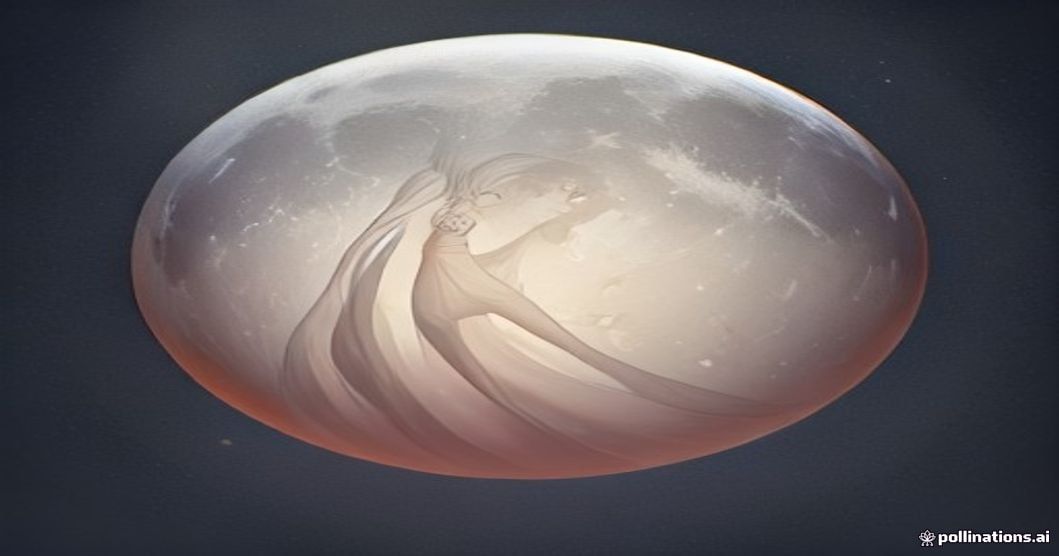

In the quietude of the Japanese mountains, there once lived a Zen monk named Ryokan. His life was the epitome of simplicity; his home was a tiny hut, and his only possessions were a few robes and a begging bowl. One evening, while Ryokan was away, a thief broke into his hut, hoping to find valuables. Finding nothing but bare walls and a straw mat, the thief was about to leave in frustration just as Ryokan returned.
Instead of reacting with anger or fear, Ryokan felt a deep surge of compassion for the man who had traveled so far and risked so much for nothing. ‘You have come a long way to visit me,’ Ryokan said gently, ‘and you should not leave empty-handed. Please, take my clothes as a gift.’ The bewildered thief took the robes and fled into the night. Ryokan sat naked by his window, watching the luminous full moon rise over the horizon. He sighed with a different kind of longing: ‘Poor fellow,’ he mused, ‘I wish I could have given him this beautiful moon.’
This story illuminates a profound philosophical shift from having to being. To the thief, wealth was something to be snatched and carried away—a finite, external resource that requires protection and creates anxiety. To Ryokan, true wealth was the ‘unstealable’ essence of his own awareness and the beauty of the natural world. He recognized that the things we guard most fiercely are often the things that matter least to our ultimate contentment.
In our modern era, we are often the thief in the story, perpetually searching for that one missing object, digital achievement, or status symbol that will finally make our ‘visit’ to this life worthwhile. We treat happiness as a commodity to be acquired through effort and competition. Yet, the wisdom of Ryokan suggests that our greatest treasures are those that cannot be put in a bag: the capacity for wonder, the peace of a quiet mind, and the generosity of spirit that remains even when the cupboards are bare.
To apply this today is to practice the ‘wealth of the moon.’ It involves identifying the aspects of your life that are immune to theft, market crashes, or social fluctuations—your character, your ability to appreciate a sunset, and your capacity for kindness. When we stop identifying our worth with our ‘robes’—our external identities and possessions—we find ourselves in possession of the moon: a source of light and beauty that requires no guarding and can never be lost.
