The Weaver's Reverse Tapestry
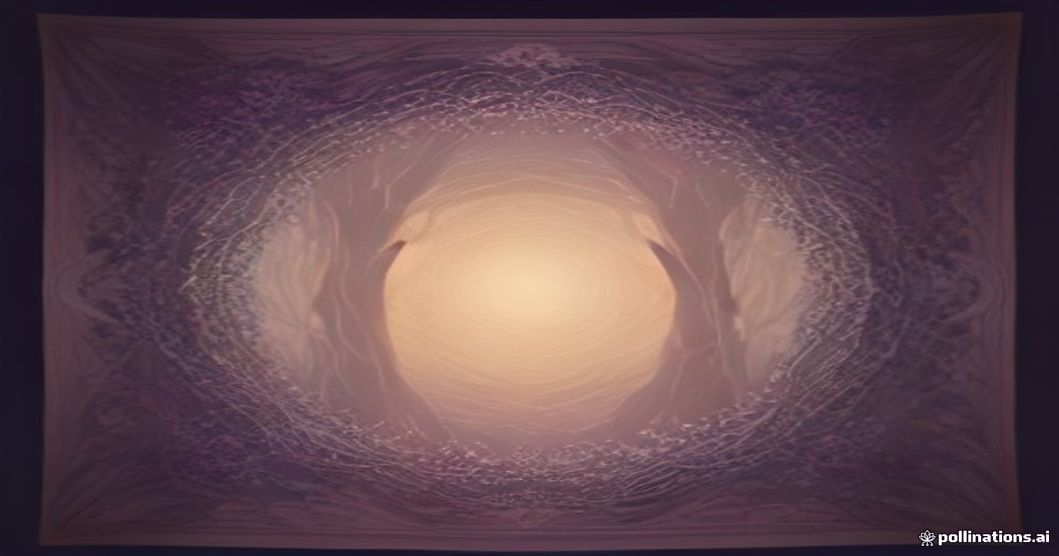

The Frayed Threads Below
In the traditional workshops of ancient Persia, master weavers sat facing the front of their looms, orchestrating a symphony of color, geometry, and purpose. Yet, the apprentice sat behind the loom, staring upward at a chaotic mess of knotted ends, dangling loose threads, and dark under-shadows. From the apprentice’s perspective, the work looked like a ruined mess—a tangle of mistakes and contradictions.
Sufi poets like Rumi often used this image to describe the human condition. We sit behind the loom of our lives. We see the snarls, the sudden break in employment, the unexpected parting of a relationship, or the fraying of a long-held dream. To our limited vision, the pattern makes no sense. We panic, assuming the weaver has fumbled or that the design has failed. We forget that the master weaver sits on the other side, gazing upon a breathtaking portrait of beauty and coherence that we are not yet equipped to perceive.
Weaving the Modern Tapestry
In modern life, our demand for immediate comprehension is relentless. We want our career trajectories, our personal growth, and our daily schedules to run on straight, predictable lines. When a project collapses, a health scare interrupts our plans, or a global crisis alters our trajectory, we experience profound anxiety. We treat every loose thread as an emergency, aggressively trying to untie knots that are actually foundational to a larger, unseen structure.
Applying the wisdom of the reverse tapestry does not mean descending into passive fatalism; rather, it invites a radical shift in perspective. It asks us to cultivate trust in the architecture of time. When faced with confusion, instead of frantically trying to rewrite the immediate circumstances, we can step back and acknowledge the limits of our vantage point. Just as a single dark thread gives depth and contrast to a masterpiece, our momentary struggles and disorientations are often the exact textures required to complete the broader narrative of our growth. True peace is found not in demanding that the loom stop, but in resting safely in the knowledge that a master hand is guiding the work from the other side.
