The Crossroads of the Soul: The Choice of Hercules
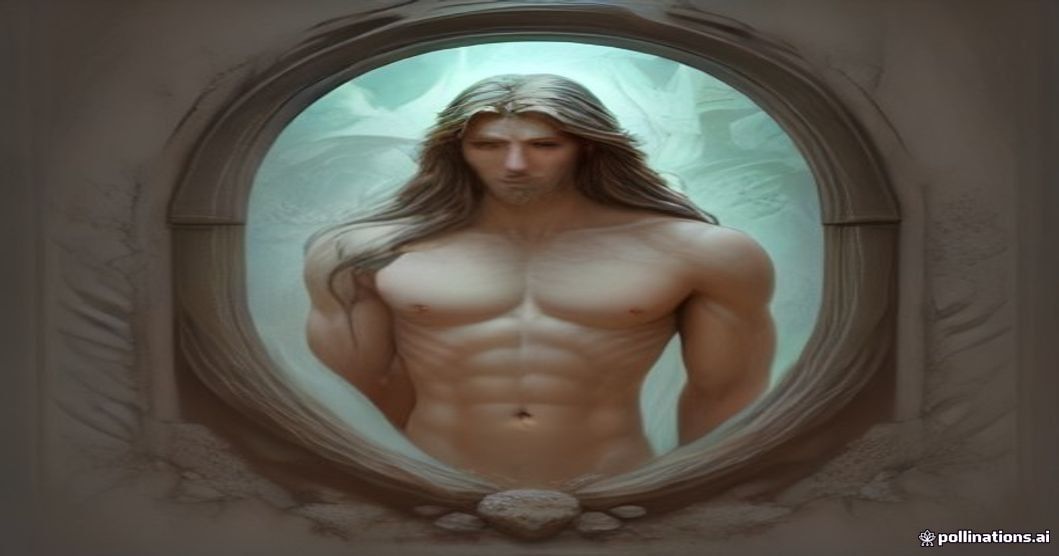

In the ancient Greek tradition, long before he became the slayer of the Hydra, the young Hercules sat at a crossroads of destiny. According to the philosopher Prodicus, as recorded by Xenophon, Hercules was approached by two women of striking presence. The first, Kakia (Vice), was adorned in finery and moved with an air of seductive ease. She promised him a life devoid of struggle, where every desire would be met instantly and no hardship would ever touch his brow. “Follow me,” she whispered, “and you shall taste only the fruits of others’ labor, avoiding all that is painful.”
The second woman, Arete (Virtue), was dressed in simple white, her gaze steady and her voice firm. She offered no shortcuts. “Nothing that is really good and admirable,” she told him, “is granted by the gods to men without effort and care.” She promised him the respect of his peers, the love of his friends, and the strength of a soul forged in the fires of service and discipline. She warned him that the path of ease leads to a premature old age and a hollow spirit, while the path of effort leads to the only true and lasting joy.
Hercules chose the path of Arete. This story, known as the “Choice of Hercules,” serves as a foundational pillar of Western ethics, illustrating that the greatest human struggle is not against external monsters, but against the internal gravity of sloth and superficiality.
In the modern world, the siren call of Kakia has never been louder. We live in an economy of “frictionless” experiences, where algorithms are designed to provide us with the path of least resistance—endless scrolling, instant entertainment, and the constant avoidance of psychological or physical discomfort. We are often led to believe that happiness is the absence of effort and the maximization of convenience.
However, the wisdom of the crossroads suggests that a life without “toil and care” eventually results in a hollowed-out self. True fulfillment—what the Greeks called Eudaimonia—is not found in the consumption of pleasure, but in the exercise of our highest faculties. When we choose the difficult workout over the couch, the challenging project over the mindless distraction, or the integrity of a hard truth over a convenient lie, we are making the Choice of Hercules. We discover that the friction of growth is not a burden to be avoided, but the very substance of a life well-lived. By choosing the path of effort, we transform ourselves from passive recipients of circumstances into the conscious architects of our own character.
