The Gates Within: A Zen Lesson on Heaven and Hell
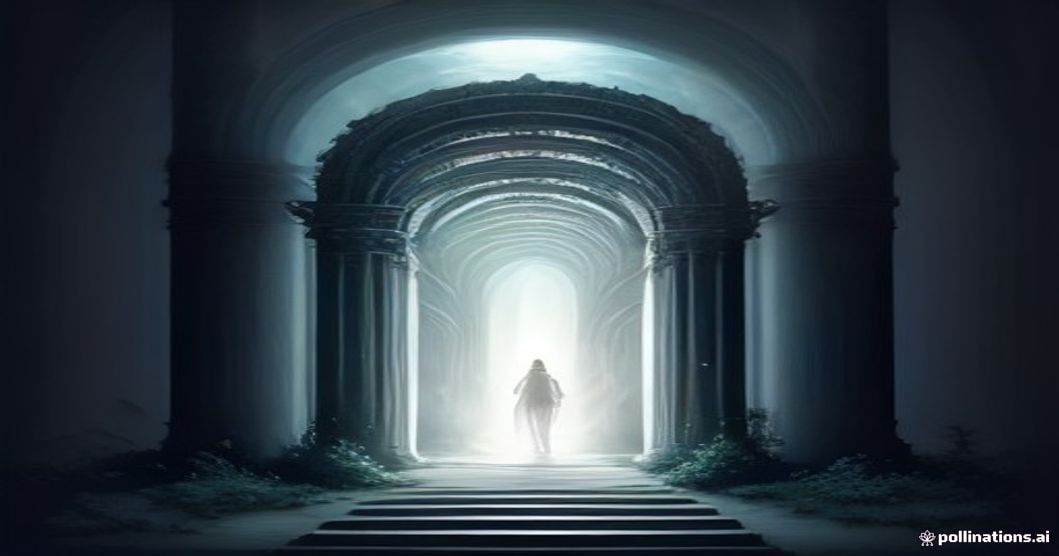

In the quietude of a Japanese monastery, a formidable samurai named Nobushige once approached the Zen master Hakuin with a question that has occupied the human heart for millennia: “Is there really a heaven and a hell?”
Hakuin, known for his sharp wit and uncompromising teaching style, looked at the warrior with apparent disdain. “Who are you?” the master asked. “I am a samurai of the first rank,” Nobushige replied with pride. Hakuin laughed. “You, a samurai? What kind of lord would have you as a guard? Your face looks like that of a common beggar.”
The samurai’s pride flared instantly. His face turned crimson, and his hand flew to the hilt of his sword. As he unsheathed the steel to strike down the monk for the insult, Hakuin looked him in the eye and said calmly, “Here open the gates of hell.”
Struck by the realization that his own blind rage had created the very ‘hell’ he was asking about, the samurai paused. He saw the master’s point—that he was a slave to his own volatile temper. Shaken, he sheathed his sword and bowed low in a gesture of profound humility and gratitude. Hakuin smiled and whispered, “Here open the gates of heaven.”
The Modern Application: The Internal Landscape
In our contemporary world, we often view ‘heaven’ and ‘hell’ as external circumstances or future destinations—a promotion, a perfect vacation, or a series of unfortunate life events. However, the story of Nobushige teaches us that these realms are not geographical locations, but psychological states that we inhabit based on our reactivity.
Every day, we encounter ‘gatekeepers’—the driver who cuts us off, the critical email from a supervisor, or the frustrating comment on social media. When we react with impulsive anger, resentment, or ego-driven defensiveness, we step through the gates of hell. This is not a punishment from a deity, but a natural consequence of losing our inner sovereignty to external triggers. We become prisoners of our own emotional turbulence.
Conversely, the gates of heaven open the moment we practice ‘metacognition’—the ability to observe our emotions without being consumed by them. When we choose to respond with composure, humility, or even a simple breath of awareness instead of a sharp word, we transform our internal environment.
To live in ‘heaven’ today does not mean having a life free of problems; it means maintaining a state of inner peace that external chaos cannot penetrate. By recognizing that we carry the keys to both gates within our own minds, we reclaim the power to choose which world we wish to inhabit in any given moment.
