The Architecture of the Void: Finding Power in What is Missing
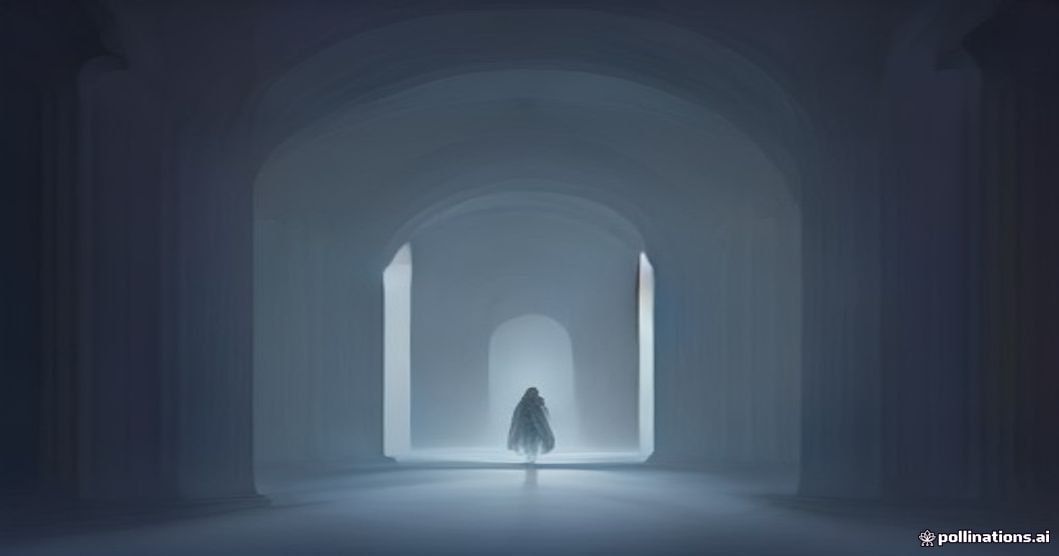

In the eleventh chapter of the Tao Te Ching, the sage Lao Tzu offers a perspective that challenges our fundamental obsession with substance and accumulation. He invites us to look at a wheel: thirty spokes join at a central hub, yet it is the hole in the center that allows the wheel to turn and the axle to function. He points to a clay pot, noting that while we shape the clay with great care, it is the emptiness inside that allows the vessel to hold water. He speaks of a house, where walls are built and windows are cut, yet it is the empty space within the walls that makes the house livable.
Lao Tzu’s conclusion is a profound inversion of common logic: ‘Therefore, from what is there comes possession; from what is not there comes opportunity.’ We spend our lives focused on the ‘is’—the material, the tangible, and the occupied—while completely ignoring the ‘is not’ that gives the material its purpose. Without the void, the solid is merely a useless mass.
In our modern era, we are suffering from a crisis of ‘too muchness.’ We measure our worth by the fullness of our calendars, the quantity of our possessions, and the constant stream of information we consume. We treat our minds like a vessel that must be packed to the brim, fearing that an empty moment is a wasted moment. Yet, when we overfill our lives, we become like a pot without a hollow or a room without windows. We lose our ‘utility.’
Applying the philosophy of the void means recognizing that the most important part of a conversation is the silence that allows for listening. The most important part of a schedule is the ‘white space’ that allows for spontaneity and rest. The most important part of a home is not the furniture, but the space that allows the inhabitants to move freely.
To live with an awareness of the void is to stop trying to optimize every second and instead cultivate the ‘hollows’ of existence. By intentionally leaving space in our day, our homes, and our minds, we create the necessary room for wisdom to enter and for life to actually happen. We discover that true power does not lie in how much we can grasp, but in the quality of the space we maintain.
