The Roar of the Hidden Self: Reclaiming the Lion Within
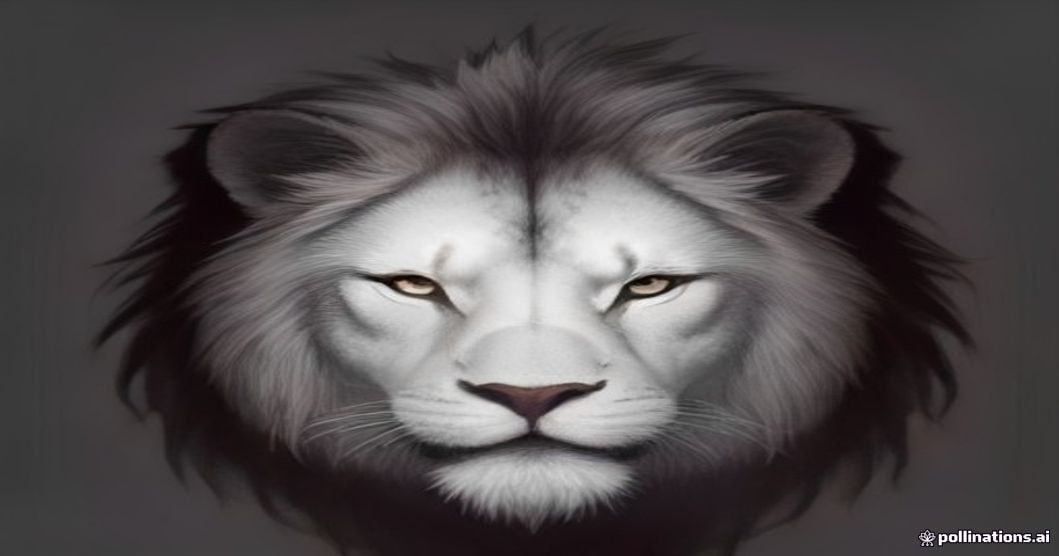

In the oral traditions of the Advaita Vedanta, there is a profound parable concerning a lioness who, while leaping across a valley, gave birth to a cub and died shortly thereafter. The cub tumbled into a flock of sheep grazing below. Having no other kin, the sheep adopted the cub. Growing up among them, the lion learned to eat grass, to bleat in a high-pitched tone, and to flee in terror at the slightest rustle in the grass. For years, the lion lived as a sheep, entirely convinced that it was a timid, herbivorous creature.
One day, an elder lion from the forest happened upon the flock and was astonished to see a full-grown lion cowering among the ewes. The elder lion gave chase and caught the young ‘sheep-lion.’ The younger one trembled, bleating for mercy and begging not to be eaten. Instead of attacking, the elder lion dragged the youth to the edge of a crystal-clear lake. ‘Look at me,’ the elder commanded, ‘and then look at yourself.’ As the young lion gazed into the still water, he saw for the first time that his face was not that of a sheep, but that of the king of the forest. In that moment of recognition, the bleat died in his throat, and a thunderous roar erupted from his chest, shaking the very hills.
This story serves as a foundational metaphor for the human condition. According to this philosophical school, we are the ‘lion’—the Atman, or the boundless, luminous consciousness—yet we have been raised in the ‘flock’ of societal conditioning. From childhood, we are taught to identify with our limitations: our name, our social status, our physical flaws, and our fears. We learn to ‘bleat’ by mimicking the anxieties and desires of those around us, eventually forgetting our inherent majesty and strength.
In modern life, the ‘sheep-fold’ is the relentless pressure of external validation. We define our worth by the metrics of the crowd—likes, career titles, and material accumulation. We live in a state of ‘existential bleating,’ constantly worried about whether we fit in or if the world will reject us. We have become so accustomed to the grass-eating habits of the ego that the idea of our own vast, untapped potential feels alien or even frightening.
The ‘lake’ in the parable represents the practice of self-inquiry and stillness. To find the lion within, one must step away from the noise of the flock and look into the mirror of pure awareness. This is not about ‘improving’ the sheep or making the sheep more courageous; it is about the radical realization that you were never a sheep to begin with. When we strip away the layers of social programming and the stories we tell ourselves about our weaknesses, we find a core of being that is naturally fearless and free. Liberation is not an acquisition of a new status, but the roar of a truth that has been there all along, waiting for the water to be still enough to reflect it.
