The Blind Man’s Lamp: The Danger of Obsolete Wisdom
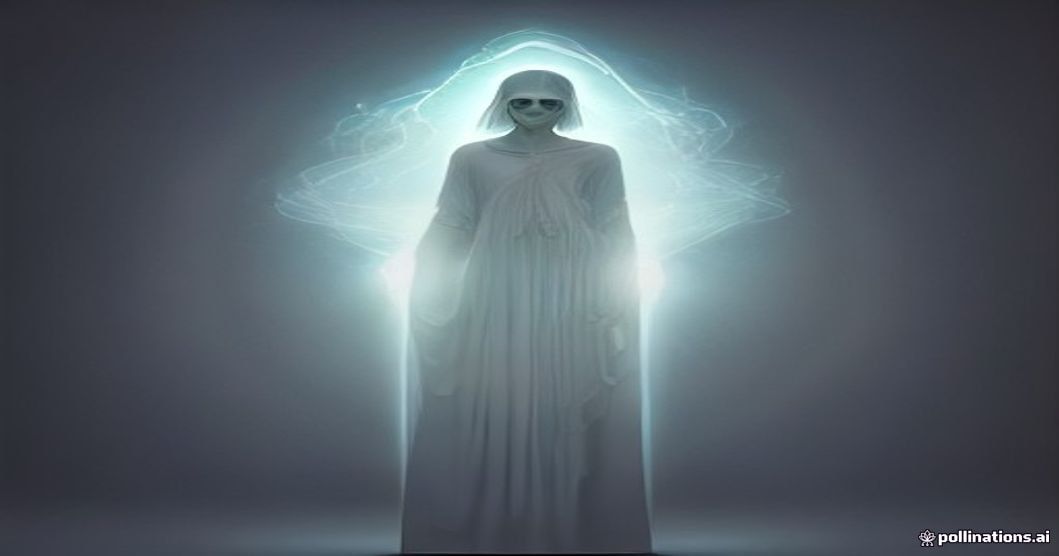

In a well-known Zen teaching, a blind man was visiting a friend. When it came time for him to leave, the night was pitch black. His friend offered him a paper lantern to carry. The blind man laughed and said, ‘I do not need a lantern; darkness and light are the same to me.’ The friend replied, ‘I know you do not need it to see, but if you carry it, others will see you and not bump into you.’
The blind man agreed and set off. In the middle of the road, someone suddenly collided with him, nearly knocking him over. The blind man cried out, ‘Look out! Can you not see my lamp?’ The stranger replied, ‘Friend, your lamp went out a long time ago.’
This story serves as a profound metaphor for the ‘extinguished lamps’ we carry in our modern lives. The lamp represents the tools, identities, and strategies we once adopted for our protection or guidance—our ‘personal brands,’ our defensive cynicism, or even our past successes. We walk through the world assuming these things are still providing light and safety, unaware that the flame of their original purpose has flickered out.
In modern psychology, this is seen in the ‘scripts’ we follow. A person might carry the ‘lamp’ of being the ‘smart one,’ the ‘victim,’ or the ‘high achiever,’ believing these identities communicate something clear to the world. But when life ‘bumps’ into us—through a failed project, a broken relationship, or a sudden change in circumstances—we are shocked to find that our old strategies no longer work. We are shouting at the world to see a light that is no longer burning.
The lesson is one of radical presence. We cannot rely on the momentum of who we were yesterday to light our way today. To avoid the collisions of life, we must periodically stop and check our own lanterns. We must ask: Is this belief still true? Is this habit still serving me? Or am I walking in the dark, holding nothing but a cold piece of paper, wondering why the world keeps running into me?
