The Art of Subtraction: Plotinus and the Soul's Hidden Sculpture

We live in a culture relentlessly committed to the doctrine of addition. From childhood, we are instructed to gather: to accumulate knowledge, acquire possessions, collect credentials, and append fashionable habits to our daily routines. When life feels hollow or chaotic, our instinct is almost always to add more—a new productivity system, another self-help book, a different social circle, or an extra layer of identity. We treat ourselves like a barren wall in need of endless coats of paint, never questioning whether the wall itself is buried alive beneath our decorations.
Seventeen centuries ago, in the twilight of the Roman world, the Neoplatonist philosopher Plotinus proposed a radically different understanding of spiritual growth. In his masterpiece, the Enneads, he observed that our true nature is not an empty vessel waiting to be filled, but a pristine essence waiting to be unveiled. To explain this, he offered the metaphor of the sculptor:
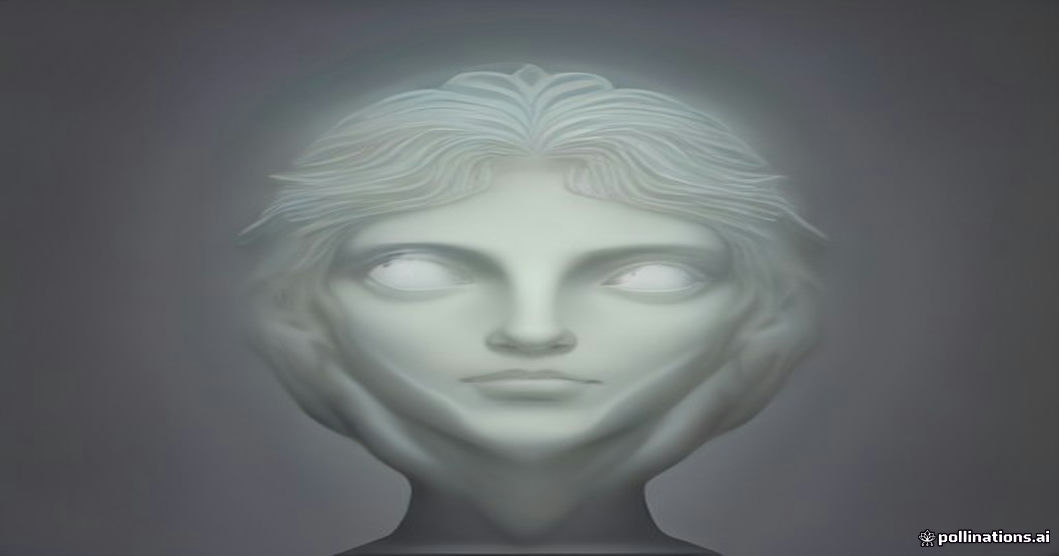
“Withdraw into yourself and look. And if you do not find yourself beautiful yet, act as does the creator of a statue that is to be made beautiful: he cuts away here, he smooths there, he makes this line lighter, this other purer, until a lovely face has grown upon his work. So do you also: cut away all that is excessive, straighten all that is crooked, bring light to all that is shadowed, labor to make all one glow of beauty, and never cease carving your own statue, until there shall shine out on you the godlike splendor of virtue.”
A sculptor standing before a raw slab of Carrara marble does not bring clay, pigment, or ornaments to attach to the stone. He understands that the noble form—the athlete, the goddess, the serene face of contemplative wisdom—is already fully present inside the rock. The stone is not deficient; it is merely encumbered. The sculptor’s sole art is the art of subtraction (aphairesis). Every blow of the mallet, every sweep of the chisel, is an act of decisive negation: this rough protrusion is not the form; this jagged vein does not belong; this excess dust must fall. Liberation is discovered through what is removed.
Plotinus taught that the human soul undergoes a similar tragedy of accumulation. In our journey through the material world, we collect psychic crust. We gather reactive defense mechanisms, borrow societal anxieties, adopt secondhand opinions, and construct brittle personas designed to win fleeting praise. Over time, this thick sediment of desires, resentments, and posturing petrifies around our consciousness. We look in the mirror and mistakenly believe we are the encrusted rock itself, blind to the divine radiance trapped underneath.
This insight offers an urgent antidote to modern psychological exhaustion. We often experience burnout not because we lack sufficient ambition or energy, but because we are staggering under the weight of things that do not belong to us. We carry ancient grudges that demand constant psychic maintenance; we perform emotional labor for causes and metrics we secretly despise; we maintain facades that require vigilance to protect from exposure.
To adopt Plotinus’s chisel is to shift from self-aggrandizement to spiritual discernment. Self-cultivation ceases to be an exhausting chase to become ‘somebody else’ and becomes the quiet courage to cease being what we are not.
In daily life, this subtraction begins with honest inquiry:
- Which of my current anxieties belong to my actual reality, and which are inherited scripts I have mindlessly repeated?
- Which ambitions are native to my core, and which are merely external statues I am trying to build for an indifferent audience?
- What defensiveness can I simply cut away today instead of reinforcing?
When we drop an unnecessary pretense, we feel lighter. When we let go of the compulsion to have an opinion on every distant controversy, mental space reemerges. When we surrender the need to control how others perceive us, our energy returns to its source.
You do not need to construct your soul out of imported materials. The clarity, equanimity, and depth you seek are already the baseline of your awareness, buried only beneath the noise of unnecessary striving. Put down the bucket of paint. Take up the chisel, strike away the clutter of false needs, and let what has always been beautiful stand free.
