The Tragedy of the Sea Bird: The Peril of Egocentric Kindness
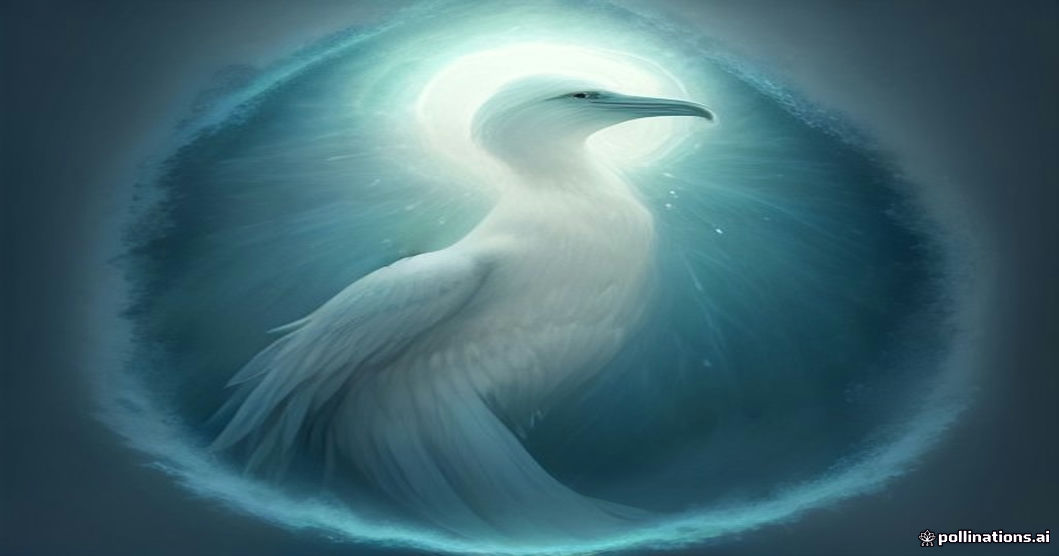

In the classical Taoist text The Zhuangzi, there is a haunting story of a great sea bird that was blown off course by a storm and landed in the suburbs of the capital of Lu. The Marquis of Lu, a man of great wealth and perceived virtue, was overjoyed by the arrival of such a rare and magnificent creature. He saw the bird as a divine omen and decided to honor it with the highest hospitality the state could offer.
The Marquis personally escorted the bird to the ancestral temple. He ordered the most exquisite music—the sacred Shao—to be played by a full orchestra. He prepared a feast fit for a sovereign, offering the bird the finest sacrificial meats and serving it wine in ornate, jeweled cups. He treated the bird exactly as he would want to be treated.
However, the bird was dazed and terrified by the crashing gongs and the smell of cooked flesh. It did not eat a single morsel of the meat nor drink a drop of the wine. It sat in a state of paralysis, its eyes wide with fear, and within three days, it died of grief and exhaustion. Zhuangzi concludes the tale with a sharp observation: the Marquis was trying to nourish a bird with that which nourishes a man, rather than nourishing a bird with that which nourishes a bird.
The Mirror of Egocentric Empathy
This parable serves as a critique of what philosophers call “egocentric empathy.” We often believe that kindness is a universal currency, but Zhuangzi suggests that kindness without understanding is a form of violence. The Marquis was not a villain in the traditional sense; he was motivated by genuine admiration. Yet, because he could not look past his own ego, his “love” became a cage and his “generosity” became a death sentence.
In modern life, we fall into the trap of the Marquis of Lu whenever we assume that our path to fulfillment is the only valid one. We see this in parents who force their children into prestigious careers they themselves value, ignoring the child’s inherent temperament. We see it in friends who offer advice that mirrors their own coping mechanisms rather than listening to the specific needs of the person in pain. We even see it in global charity or management styles that impose rigid, “proven” frameworks onto diverse cultures or individuals without regard for their unique ecology.
Practical Application: De-centering the Self
To apply the wisdom of the sea bird, we must practice the art of de-centering. This involves recognizing that our preferences, values, and definitions of “the good life” are not objective truths, but subjective reflections of our own nature.
- Observe the ‘Ziran’ (Naturalness): Before acting to “help” or “improve” a situation or person, observe their inherent nature. To nourish a bird as a bird, one would let it roost in the deep forest and wander the mudflats. True support requires us to ask: What does this specific being need to flourish according to its own nature?
- Relinquish the Script: We often approach relationships with a pre-written script of how a “good” partner, employee, or friend should behave. When they deviate, we try to “fix” them. The story of the sea bird asks us to tear up the script and witness the person as they are, not as a character in our own narrative.
- The Silence of the Shao: Sometimes, the most virtuous thing we can do is to stop the music. The Marquis’s orchestra was beautiful, but it was noise to the bird. In our world of constant intervention and “optimization,” we must learn when to withdraw our influence to allow the other space to breathe.
True compassion is not treating others as you want to be treated; it is the much more difficult task of treating others as they need to be treated. Only by quieting our own preferences can we hear the quiet requirements of the life standing right in front of us.
