The Shadow of the Hanging Blade: Finding Peace Beyond the Pedestal
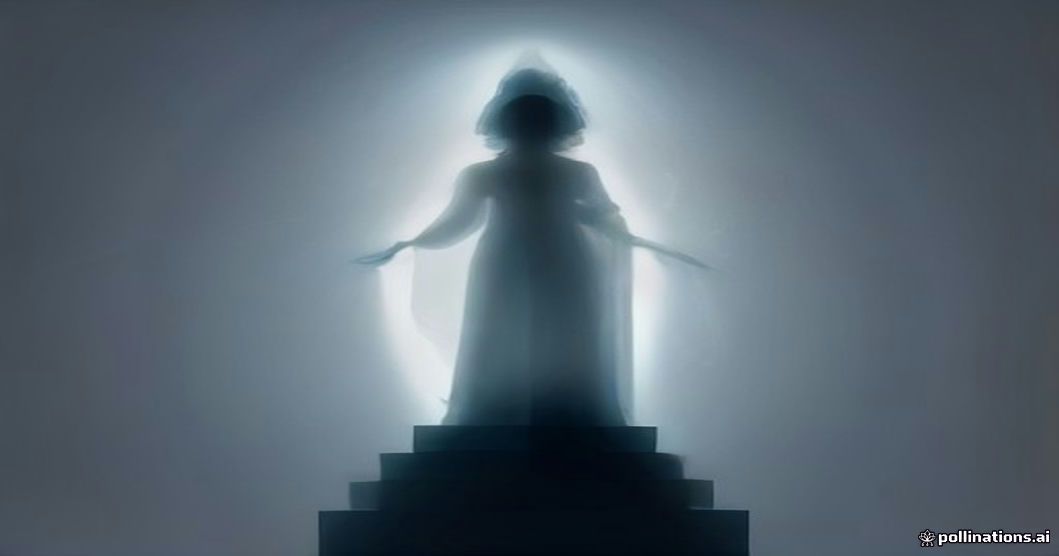

In the ancient court of Syracuse, the courtier Damocles lived in a state of perpetual envy. To him, King Dionysius II was the most fortunate of men, surrounded by unimaginable wealth, exquisite delicacies, and the absolute power to command. “You must be the happiest man alive,” Damocles remarked one day. Dionysius, weary of the courtier’s misunderstanding, offered a trade: Damocles would sit upon the throne for a single day to experience this supposed bliss.
Damocles was delighted. He was draped in purple, fed by the finest servants, and surrounded by the scent of burning incense. But as he leaned back to savor a grape, his eyes drifted upward. Hanging directly above his neck, suspended by a single, thin strand of horsehair, was a massive, razor-sharp sword.
Instantly, the music became a din; the wine tasted like ash. Damocles could no longer see the beauty of the palace or the gold on the table, only the precariousness of the blade. He begged to leave, realizing that the “happiness” of the king was inseparable from the constant, looming threat of its loss.
In our modern era, we are often the envious courtiers of our own lives. We look at the curated highlights of others—their promotions, their luxuries, their influence—and imagine a life of pure felicity. We chase the pedestal, forgetting that the higher the seat, the thinner the thread that holds our peace of mind.
The Sword of Damocles represents the hidden psychological tax of external success: the fear of being replaced, the anxiety of maintaining a reputation, and the fragility of material security. When we anchor our well-being to things that can be severed by a single hair—market shifts, public opinion, or corporate whims—we live in a state of prosperous panic.
True sovereignty, as the Stoics later argued, is not found in the absence of the sword, but in the realization that our internal worth does not depend on the throne. By shifting our focus from the “purple robes” of status to the cultivation of an unshakeable inner character, we remove ourselves from the seat of anxiety. We find that the only way to truly enjoy the banquet of life is to sit where no external blade can reach: in the quiet, self-sufficient center of our own integrity.
